Tree inspections in Enfield
If you are looking for tree inspections in Enfield, you are likely dealing with a real property concern: a tree that looks unstable, branches hanging over a roof or driveway, roots affecting paving, or simply the need to understand whether a tree is safe, healthy, and suitable for the site. For homeowners, landlords, housing managers, schools, shops, and commercial premises across Enfield, a proper inspection can help you make informed decisions before a small issue becomes a bigger one.
Enfield has a wide mix of property types and landscapes, from period homes with mature front gardens to newer developments, estate roads, shared driveways, schools, retail parks, and industrial units. Trees are a major part of that local character, but they also need careful attention. A trained inspection looks at structural condition, signs of disease, decay, storm damage, root impact, and the practical risks created by the tree’s location. That is especially important where access is tight, parking is limited, or trees are growing close to buildings and public pathways.
Whether you are worried about one tree or managing several, our tree inspection service is designed to give you clear, practical advice. We help identify issues early, explain what matters most, and outline sensible next steps. If you need peace of mind, need to support a maintenance plan, or want to know whether work is necessary before seeking approval, request a free quote and book a local inspection at a time that suits you.
Why tree inspections matter for Enfield properties

Tree inspections are not only for emergencies. In many cases, they are the best way to prevent avoidable damage, reduce risk, and keep trees in better condition over time. In Enfield, that matters because properties often sit close together, gardens can be compact, and trees may overhang neighbouring land, roads, or shared spaces. A tree that appears healthy from the outside may still have hidden defects in the trunk, crown, or root system.
Local tree inspections in Enfield are useful after storms, when a tree begins to lean, when dead wood becomes more noticeable, or when there are concerns about leaf loss, fungi, cracks, or root movement. They are also valuable when you are planning building work, extending a property, installing a driveway, or changing access around the site. An inspection helps you understand what the tree is doing now and what may happen if conditions change.
For many customers, the main benefit is clarity. Instead of guessing whether a tree needs pruning, monitoring, reduction, or removal, you get a professional assessment based on the tree’s condition and surroundings. That can save time, reduce stress, and help you plan sensible maintenance rather than reacting to a sudden problem.
What our tree inspection service includes
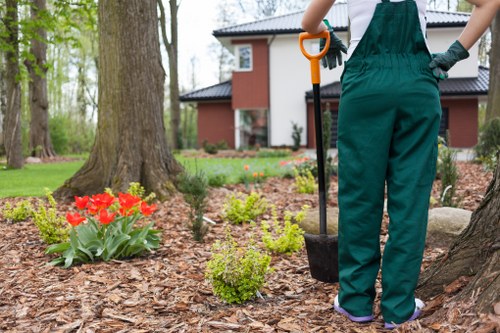
A professional tree inspection in Enfield typically begins with a visual assessment of the tree and the area around it. The inspector looks at the trunk, branches, canopy, root zone, and nearby structures to check for signs that may indicate weakness, disease, or instability. They also consider whether the tree’s position creates any practical risk to people, property, vehicles, or pathways.
Depending on what is found, the inspection may cover:
- Visible signs of decay, fungi, cracks, cavities, or old wounds
- Dead, damaged, or overextended limbs
- Leaning, movement, or changes in growth pattern
- Signs of root disturbance, soil heave, or compaction
- Canopy condition, including thinning, dieback, or unbalanced growth
- Impact on roofs, gutters, walls, fencing, driveways, and parking areas
- Risks to pedestrians, vehicles, public access, and neighbouring land
- General tree health, including pests, stress, and environmental issues
Where needed, the inspector can explain whether the tree should be monitored, pruned, reduced, or addressed more urgently. In some cases, a simple observation and follow-up plan may be enough. In others, immediate action may be sensible. The aim is always to give practical advice that reflects the actual tree and the site conditions, not just a generic recommendation.
Who needs tree inspections in Enfield?

Tree inspections are useful for many different customers in Enfield, not just those with obvious tree damage. Homeowners often arrange an inspection when a tree appears too close to the house, a neighbour raises concerns, or they want reassurance before selling or renovating. Landlords and letting agents may need regular checks where mature trees affect communal gardens, shared parking, or tenant safety.
We also work with residential and commercial customers who need clear, sensible tree advice for larger sites. This can include schools, care settings, offices, retail units, hospitality premises, churches, community buildings, and landowners managing multiple trees. For these properties, tree condition can affect not only safety, but also access, appearance, insurance concerns, and day-to-day use of the site.
Typical situations where customers request tree assessments include:
- A tree leaning after strong wind or heavy rain
- Branches overhanging a roof, fence, or neighbour’s garden
- Visible fungi at the base or on the trunk
- Cracks, splits, or falling limbs
- Concern about roots lifting paving or affecting drains
- A mature tree close to a road, path, or parking area
- Preparation for building work or landscaping
- Ongoing management of several trees across one property
If any of these sound familiar, it is sensible to arrange a local inspection sooner rather than later. Book your service now to get expert eyes on the tree and a clear explanation of what it means for your site.
Why local knowledge matters in Enfield

There is real value in choosing a company that understands Enfield and the way local properties are laid out. Mature suburban streets, terraced housing, estate roads, mixed-use premises, and schools all create different conditions for tree work and inspection. Trees in one part of the borough may be growing in tight front gardens with overhead wires or boundary fences, while others are planted in larger grounds where access is straightforward but the number of trees is greater.
Local knowledge also helps with practical matters. Parking can be limited on some roads, access may be through side gates or shared drives, and large equipment may not always be appropriate. A local team is more likely to plan around these realities efficiently, which can make the process smoother and less disruptive. That is especially helpful where a property has narrow access, delicate landscaping, or regular use by residents, visitors, or staff.
In areas across and around Enfield, trees may also be influenced by nearby roads, compacted soil, boundary constraints, and historic planting patterns. A team familiar with local conditions can spot issues more quickly and suggest sensible next steps that suit the setting. This kind of practical, place-aware approach is often the difference between a basic look and a truly useful inspection.
Areas covered around Enfield

We provide tree inspections throughout Enfield and the surrounding neighbourhoods, helping customers across a broad mix of property types. This includes town-centre locations, residential streets, and edge-of-borough areas where larger gardens, communal grounds, and commercial sites are common. If your property sits just outside the immediate centre, we may still be able to help, depending on the location and the nature of the work.
Areas often served include:
- Enfield Town
- Southgate
- Palmers Green
- Edmonton
- Winchmore Hill
- Bush Hill Park
- Grange Park
- Oakwood
- Upper Edmonton
- Ponders End
- Brimsdown
- Freezywater
These locations feature a mixture of older homes, estate properties, commercial premises, and schools, all of which can benefit from professional tree inspections at different times of the year. If you are unsure whether your property is within our service area, it is usually worth getting in touch to discuss the tree, access, and the type of inspection required.
How the inspection process works
When you arrange tree inspections in Enfield, the process should be straightforward and easy to understand. The goal is to assess the tree safely, give clear feedback, and help you decide on the most appropriate action. For many customers, the inspection is reassuring because it replaces uncertainty with practical information.
Here is a typical step-by-step process:
- Initial enquiry – You explain the concern, the tree’s location, and any visible symptoms or recent changes.
- Site attendance – A local arboricultural professional visits the property to inspect the tree and surrounding area.
- Visual assessment – The tree is checked for signs of decay, structural weakness, disease, damage, and root-related issues.
- Context review – The inspector considers the tree’s position relative to buildings, paths, vehicles, neighbouring land, and use of the site.
- Advice and recommendations – You are told what was found and what action, if any, is appropriate.
- Next steps – If tree work is needed, you can decide how to proceed based on the inspection findings.
Some inspections are simple and can be completed quickly. Others may involve a more detailed look at multiple trees, or additional discussion where the tree is near a building, boundary, or high-traffic area. Either way, you should expect a clear and practical outcome, not confusion or unnecessary alarm.
What inspectors look for in practice
Tree health and safety assessments involve more than just checking whether leaves look green. A tree can appear fine in summer while still having hidden structural defects or stress. That is why professional tree inspections in Enfield examine the tree as a whole, including its growth pattern and how it interacts with the site.
Common things checked during an inspection include:
Trunk and stem condition
The trunk is examined for splits, cracks, cavities, fungal growth, basal damage, and evidence of previous wounds that may not have healed properly. The inspector also checks whether the stem is sound and whether any visible defects are likely to affect stability.
Crown and branch structure
The canopy is assessed for dead wood, weak unions, crossing limbs, imbalance, and branches that extend too far over buildings or public spaces. A heavily weighted crown can sometimes increase the chance of failure in strong wind.
Root area and surrounding soil
Roots are often overlooked by property owners, but they are critical to tree stability. Signs of lifting soil, cracking paving, disturbed ground, or sudden lean can all suggest underlying root-related issues. In built-up parts of Enfield, roots may also be restricted by hard surfaces or nearby development, which can affect long-term health.
Not every tree with a visible defect is dangerous, and not every tree without obvious symptoms is problem-free. That is why a balanced, site-specific inspection is so important.
Signs you should arrange an inspection soon
Some tree issues can wait for routine monitoring, but others should be checked promptly. If you notice a change in the tree’s condition, it is wise to arrange an inspection rather than assume it will stabilise on its own. Trees can decline gradually, and early intervention often gives you more options.
Look out for these warning signs:
- A sudden or increasing lean
- Large branches dropping or failing
- Unusual fungus or bracket growth on the trunk or base
- Cracks in the stem, branches, or union points
- Dead sections of crown or premature leaf loss
- Soil lifting, heaving, or cracking around the base
- Rubbing branches against walls, roofs, or gutters
- Water pooling or changed ground conditions after heavy rain
- Root exposure or obvious disturbance near hard surfaces
If you have spotted any of these signs, do not wait for the next storm to see what happens. Contact us today to arrange a tree inspection and get straightforward advice on the safest next step.
How tree inspections support property management
For landlords, property managers, schools, and commercial site owners, inspections can be part of responsible maintenance rather than an emergency response. Regular assessments help you stay aware of tree condition over time, especially where trees are near buildings, public access routes, parking areas, or shared spaces. That can make planning easier and reduce the chance of unexpected disruption.
Tree inspections are especially helpful where you manage multiple trees across a site. Instead of dealing with issues one at a time, you can develop a sensible maintenance schedule based on actual tree condition. This can support budgeting, reduce reactive callouts, and improve the overall appearance and safety of the property.
For schools and community buildings, it is often important to consider footfall, pick-up and drop-off areas, play spaces, and seasonal changes. For retail and business properties, the focus may be on customer access, vehicle circulation, and keeping the site presentable. In every case, the inspection should be practical and aligned with how the site is actually used.
Pricing factors to consider
Customers often want to know what affects the cost of tree inspections in Enfield. While exact pricing depends on the job, there are a number of common factors that influence the time and detail required. Understanding these factors helps you compare quotes more confidently and avoid surprises.
Typical pricing considerations include:
- Number of trees – A single tree assessment will usually differ from a survey of several trees
- Tree size and height – Larger or more mature trees may require more time to inspect properly
- Access – Tight gardens, rear access only, or difficult parking can affect the work involved
- Site complexity – Trees near buildings, roads, shared spaces, or utilities may need more detailed attention
- Urgency – Prompt attendance after storm damage or a sudden safety concern may affect scheduling
- Level of detail required – Some customers need a simple assessment, while others need a fuller written record for management purposes
The best approach is to explain the situation clearly when you request a quote. If you can describe the tree’s location, what you have noticed, and whether access is straightforward, it helps the inspection team understand the likely scope before attending.
Preparing for your tree inspection
There is usually very little you need to do before a tree inspection, but a few simple steps can help make the visit smoother and quicker. This is especially useful in Enfield, where parking or side access can sometimes take a little planning.
Preparation checklist:
- Make sure the tree location is easy to identify
- Clear any temporary items that might block access, such as bins, bikes, or garden furniture
- Note any recent changes, such as branch loss, a new lean, or visible fungi
- Let the inspector know about shared boundaries, neighbours, or access restrictions
- If relevant, mention nearby buildings, overhead lines, paths, or parking spaces
- Have any previous tree work history available if you know it
Even if you do not have much information, that is fine. A good inspection starts with what can be observed on site. The main thing is to highlight the issue you are worried about so the tree can be assessed in the right context.
Why choose a local company for tree inspections in Enfield
Choosing a local company for tree inspections in Enfield can make the whole process easier. A local team is more likely to understand the layout of nearby streets, the practical access issues common to many properties, and the types of trees often found across the borough. That can lead to a more efficient visit and advice that feels relevant to your property, not copied from a generic checklist.
There is also a customer service advantage. If you are dealing with a tree that is causing concern, you usually want a team that can respond clearly, explain what they are looking at, and talk through the options in plain language. A local provider is often better placed to give that kind of support because they regularly work in the same area and understand the pressures local property owners face.
For many customers, the biggest reason to choose local is trust through context. A tree inspector who is familiar with Enfield’s streets, gardens, estates, and commercial sites can give advice that is grounded in real conditions. That makes recommendations easier to act on and can help you avoid unnecessary work.
Tree inspections for homeowners, landlords, and businesses
Different customers need different outcomes from a tree inspection. A homeowner may simply want peace of mind about a tree close to the house, while a landlord may need a record of visible condition before arranging maintenance. A business owner may need to keep a car park, entrance, or boundary line safe and presentable. The inspection should reflect those priorities.
For homeowners, the focus is often on comfort, safety, and protecting the property. For landlords and managing agents, it may be about regular upkeep and dealing with concerns from tenants or neighbouring occupiers. For commercial customers, the tree’s effect on visibility, pedestrian routes, vehicle movement, and the general impression of the site can be just as important as its biological condition.
In every case, the best tree inspection is one that results in actionable advice. You should come away knowing whether the tree can be left alone, observed, pruned, or addressed more urgently. If you need a local assessment, book your service now and take the uncertainty out of the situation.
Frequently asked questions
Do I need a tree inspection if the tree looks healthy?
Yes, in some cases you may still benefit from one. Trees can have hidden defects, especially where there are fungi, past injuries, root restrictions, or close proximity to buildings and hard surfaces. An inspection is useful if you want reassurance or are planning work nearby.
How often should trees be inspected?
That depends on the tree’s age, location, condition, and use of the site. Mature trees near houses, paths, roads, or busy areas may need more regular attention than trees in low-risk settings. If you are unsure, a local inspection can help establish an appropriate monitoring plan.
What if the tree is on a boundary or shared with a neighbour?
Boundary trees are common in Enfield and often need careful handling. The inspection can help identify whether the tree is healthy, whether one side has suffered damage, and what practical steps may be appropriate. It is usually best to understand the tree’s condition before discussing any work.
Can an inspection help after storm damage?
Yes. If a tree has moved, dropped limbs, or developed visible damage after wind or heavy rain, an inspection can help determine whether it is still stable or whether urgent action is needed. Storm-related concerns are one of the most common reasons customers ask for tree inspections.
Will the inspection tell me if pruning is needed?
Often, yes. The inspector can advise whether crown thinning, reduction, deadwood removal, or other maintenance may be sensible. The recommendation will depend on the tree’s health, structure, and location.
What if I need help with several trees at once?
That is no problem. Many Enfield customers want assessments for multiple trees, especially on larger gardens, communal sites, and commercial grounds. A multi-tree inspection can help you prioritise what needs attention first.
When to take action and how to get started
If you are concerned about a tree, it is better to act early. A prompt inspection can reduce uncertainty, help prevent damage, and give you more control over the next step. This is particularly true where the tree is near a building, public area, or shared boundary. Even if the issue turns out to be minor, you will have peace of mind knowing it has been checked properly.
Our tree inspection service is designed to be practical, local, and helpful for real customers in Enfield. Whether you need reassurance about a single tree, a condition check after stormy weather, or advice as part of planned property maintenance, we can help you understand the situation clearly and decide what to do next.
Request a free quote today and arrange your tree inspection in Enfield with a local team that understands the area, the property types, and the concerns that matter most to homeowners and businesses alike.
Tree inspections in Enfield should give you clarity, confidence, and a sensible plan forward — and that is exactly what a good local service should provide.