Crown thinning in Enfield
Professional tree care for homes, gardens, and businesses across Enfield

If you are looking into crown thinning in Enfield, you are probably trying to improve a tree without making it look stripped back or overcut. That is exactly what crown thinning is designed to do. It reduces the density of the canopy by carefully removing selected branches and secondary growth while keeping the tree’s natural shape, height, and overall character intact. For many local property owners, it is the ideal middle ground between doing nothing and carrying out a heavier prune.
In a borough like Enfield, trees are part of everyday life. You may have a mature garden tree in a residential street near Palmers Green, Bush Hill Park, or Southgate, a boundary tree in a terrace close to Enfield Town, or a larger tree on commercial premises in areas such as Ponders End, Edmonton, or around the industrial and trading estates. Trees here can be valuable features, but they also need sensible management to stay healthy, safe, and suitable for the space around them. Crown thinning can help reduce wind resistance, let in more light, and improve airflow through the branches while preserving the tree’s form.
For local customers, that balance matters. You may want more daylight in the garden, less shading on a lawn or patio, reduced stress on a tree exposed to wind, or a tidier canopy over a driveway, walkway, or business frontage. Crown thinning in Enfield is often chosen because it is a measured, professional approach that respects both the tree and the property around it.
What crown thinning actually means

Crown thinning is the selective removal of small branches throughout the crown, usually targeting crowded, crossing, rubbing, dead, weak, or poorly placed growth. The aim is not to reduce the tree’s overall height or spread dramatically, but to make the canopy less dense. Done well, the tree still looks natural and well proportioned, only lighter and more open.
This differs from other tree work that people sometimes confuse with it. Crown reduction, for example, involves shortening the tree’s overall size. Crown lifting means removing lower branches to raise the canopy clearance. Pollarding is a much more severe and specialised method used only on suitable species and in the right setting. Crown thinning is usually chosen when the priority is to keep the tree looking like itself while making it more manageable.
It is also important that thinning is carried out selectively. A tree should never be reduced by simply cutting large random sections out of the canopy. That can lead to poor regrowth, an unbalanced shape, and unnecessary stress. A careful tree surgery team will assess the species, age, condition, location, and recent weather exposure before deciding how much thinning is appropriate.
Why people in Enfield request crown thinning
There are many practical reasons why householders and businesses ask for this service. In Enfield, where properties range from older homes with established gardens to newer developments with tighter outdoor spaces, trees often need to work harder to fit the site. Crown thinning can help in a variety of ways, including:
- Improving light levels in gardens, kitchens, conservatories, and ground-floor rooms.
- Reducing wind resistance in exposed or storm-prone spots.
- Allowing more air movement through the canopy, which can help lower the risk of fungal issues in some situations.
- Making the tree feel less heavy over seating areas, parking spaces, or paths.
- Reducing the chance of branch rubbing and canopy congestion.
- Improving visibility for homes, shops, offices, and public-facing premises.
For many local customers, the biggest benefit is that the tree is still very much there, just better behaved. That is the appeal of thinning: it can make a meaningful difference without making the tree look harshly cut back. If your tree is healthy but simply too dense for the site, it may be the most suitable option.
It is also a helpful choice where neighbouring gardens are close together and branches are causing shade or crowding across a boundary. A properly planned tree thinning service can improve day-to-day use of the space while remaining respectful to the tree and the surrounding landscape.
How the service works
When a local tree team carries out crown thinning in Enfield, the process usually starts with an assessment of the tree and the site. This includes checking the species, branch structure, general health, signs of damage, and any site constraints such as fences, sheds, glass structures, parked vehicles, overhead lines, or restricted access. In busy residential streets, access and parking can be just as important as the tree itself, because the work needs to be planned safely and efficiently.
Once the scope is agreed, the work is completed using selective pruning techniques. The team removes suitable branches throughout the crown, following good arboricultural practice and avoiding over-thinning. The exact amount removed depends on the tree and the result the customer wants, but the intention is always to create a more open canopy while maintaining balance and structure.
After the pruning, the site is cleared of debris and any larger arisings are handled appropriately. Many local customers appreciate that the work is carried out with minimum disruption, especially where there are shared driveways, narrow front gardens, limited roadside space, or access through side gates. A tidy finish matters, particularly in properties where the garden is used daily or where customers and staff are coming and going.
What is included in crown thinning
A properly planned service is more than just cutting branches. Customers in Enfield usually want to know what will actually happen on the day, and that is a sensible question. The exact approach will depend on the tree, but a professional service normally includes the following:
- Assessment of tree form, condition, and location
- Selection of branches for removal to reduce density
- Attention to crossing, dead, damaged, or congested growth
- Maintenance of the tree’s natural shape wherever possible
- Safe working methods suited to the site
- Clear-up of branches and debris after the job
Depending on the tree and access, the team may also advise on whether another service is needed instead of, or alongside, thinning. For example, a tree with low branches over a path may benefit from crown lifting, while a very large tree pressing against a property may need a different type of reduction. Honest advice is important because not every tree issue should be solved in the same way.
Customers often value clear explanations before work begins. They want to understand whether the result will be subtle or noticeable, how the tree’s appearance may change, and whether the work will help with shade, airflow, or safety. A good local tree surgeon should be able to explain these points in plain language.
Where crown thinning is especially useful around Enfield

Enfield includes a wide variety of property types and outdoor spaces, and that variety affects how trees are managed. In older residential streets, mature trees can be an asset but may cast heavy shade over smaller plots. In newer homes and apartment developments, trees often sit closer to buildings, parking spaces, and communal boundaries. In both settings, thinning can help the tree fit the site more comfortably.
It can be particularly useful in areas with:
- Detached and semi-detached homes with established rear gardens
- Terraced houses where light levels are already limited
- Driveways and forecourts where branch spread interferes with parking
- Schools, nurseries, and community buildings that need cleaner sightlines and safer surroundings
- Retail units, offices, and business premises where a tidy frontage matters
- Shared-access sites where overhanging branches affect more than one property
Nearby parts of North London and the wider Lea Valley often have their own tree-related challenges too, especially where homes sit close to established boundary planting or where local roads offer limited roadside parking. A local team familiar with Enfield’s streets and property layouts can plan work more efficiently and help reduce disruption.
Another important consideration is how trees affect the use of outdoor spaces across the seasons. A thick canopy may be welcome in summer, but it can make a garden feel dark and damp for much of the year. Crown thinning can help moderate that effect while keeping the tree healthy and attractive.
Why a local Enfield team is useful
Practical local knowledge makes a real difference
There is real value in using a team that regularly works in Enfield. Local tree care is not just about climbing and cutting; it is also about knowing how to work around the everyday realities of the area. That includes tight driveways, narrow side access, permit-controlled parking, school runs, busy roads, and shared boundaries between neighbours.
Local teams are often better placed to advise on the right level of thinning for common species found in domestic and commercial settings, from ornamental trees in front gardens to larger mature specimens in older plots. They also tend to understand the practical pressure points customers face, such as protecting lawns, reducing mess, and completing the work with minimum inconvenience.
For commercial customers, local availability is especially helpful. If you manage a site in or around Enfield and need to keep entrances, signage, customer parking, or staff areas accessible, local tree care can be scheduled with your day-to-day operations in mind. That can make it much easier to keep disruption down.
Is crown thinning the right choice for your tree?
Not every tree needs thinning, and in some cases it may not be the best option. A tree with structural weakness, major storm damage, root problems, or severe overcrowding might need a different type of treatment. The right decision depends on species, size, age, condition, and the reason for the work.
Crown thinning is often a strong choice if:
- The tree is generally healthy but too dense.
- You want more light without reducing the tree’s overall presence too much.
- You want to lower wind drag and improve airflow through the branches.
- You prefer a natural-looking result rather than a dramatic cutback.
- The tree is affecting a garden, driveway, or building by creating heavy shade or crowding.
It may be less suitable if the tree is already weak or if too much of the interior growth has been removed in the past. In that situation, a tree care professional can advise whether a lighter touch or a different form of maintenance would be more appropriate. The goal is always to look after the tree as well as the property.
Tree species and the kind of results you can expect
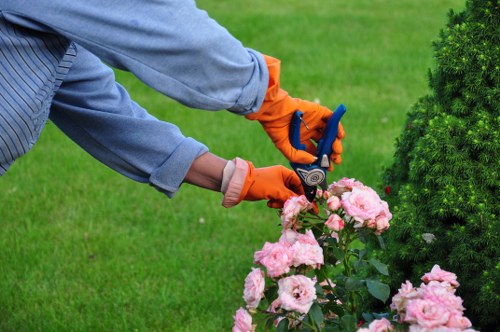
Different species respond differently to thinning. Some trees tolerate selective pruning very well and naturally benefit from a lighter crown, while others need a more cautious approach. The shape, branching pattern, and seasonal growth habit all affect how the finished tree will look and how it will recover.
For example, a broad-canopied garden tree may noticeably improve in light transmission after thinning, while a more upright ornamental tree may only need a very modest adjustment. Larger mature trees may require a carefully staged approach to avoid stress, and younger trees may need lighter maintenance to preserve strong future structure.
What matters most is balance. A good result should open the canopy enough to make a practical difference while preserving enough foliage for the tree to remain vigorous. Over-thinning can lead to stress, weak regrowth, and a patchy appearance, so the work should always be carried out with restraint and judgement.
Pricing factors to consider
What affects the cost of crown thinning in Enfield
Customers often want an idea of what influences pricing before requesting a quote. While exact prices depend on the specific tree and site, there are several common factors that affect the amount of work involved.
- Tree size and height – larger trees usually require more time, equipment, and planning.
- Canopy density – thicker crowns may take longer to thin safely and evenly.
- Access – restricted access, narrow side passages, or awkward rear-garden entry can affect the job.
- Parking and traffic conditions – roadside work may need extra care in busier parts of Enfield.
- Waste removal – disposal and site clearance can influence the overall service scope.
- Tree condition – damaged, leaning, or partially decayed trees may require additional precautions.
- Multiple trees or combined services – several trees at once or a mix of pruning tasks may alter the workload.
If you are comparing providers, it is worth asking what is included in the quote and whether the work will be carried out with clean-up as standard. A reliable local service should be able to explain the likely scope clearly, without overcomplicating things.
For many homeowners and businesses, the best value comes from choosing a team that understands how to complete the work efficiently and safely, rather than simply offering the quickest cut. In tree care, the quality of the decision-making matters just as much as the physical pruning.
How to prepare for the work
Good preparation helps the job run smoothly and can reduce disruption on the day. If you are arranging crown thinning in Enfield, here is a simple checklist to consider before the team arrives:
- Move vehicles if access to the tree or driveway is needed.
- Clear garden furniture, planters, or fragile items from the work area if practical.
- Let neighbours know if branches overhang a shared boundary or access is close to theirs.
- Ensure gates, side access, and locked areas are available if needed.
- Point out any cables, ponds, sheds, greenhouses, or features that need care.
- Mention if there are pets, children, or vulnerable surfaces nearby.
These small steps can make the process quicker and safer. They also help the team work more accurately, especially in tighter Enfield gardens where every metre of space matters. If you are unsure about access or the best way to prepare, ask when requesting a quote so the service can be planned properly from the start.
For commercial premises, preparation may include arranging temporary vehicle movement, notifying staff, or scheduling work outside peak times. A local team can often work with these practical needs to minimise disruption to trading or day-to-day operations.
What happens after thinning
Looking after the tree and the space around it
After the work is complete, many trees simply continue growing as normal, but with a lighter canopy and better structure. Some may respond with a period of fresh growth, which is why continued sensible maintenance is often useful. A tree that has been thinned well should not look bare or stressed; it should look more balanced and functional.
It is common for customers to notice immediate benefits such as improved light, reduced shade, and better airflow. In some cases, the garden may feel noticeably more usable straight away. For businesses, the frontage can look cleaner and more open, which helps maintain a professional appearance.
Aftercare can be straightforward, but it is worth monitoring the tree over the following seasons, especially if it is mature or exposed to strong winds. If you notice unusual dieback, heavy regrowth, or signs of stress, it may be time for another assessment. Regular light maintenance is often better than waiting until the tree becomes difficult to manage.
Areas covered
A local service for crown thinning in Enfield should be able to support customers across the borough and nearby surroundings. That often includes work for homes, landlords, property managers, and businesses in areas such as:
- Enfield Town
- Edmonton
- Ponders End
- Bush Hill Park
- Palmers Green
- Southgate
- Winchmore Hill
- Oakwood
- Grange Park
- Brimsdown
- Freezywater
- Highlands Village
This local coverage matters because access conditions and property styles can vary from one area to another. A team that already works across these neighbourhoods is more likely to understand the layout, parking realities, and types of trees commonly found there. That helps make the service smoother and more practical for the customer.
Whether your tree sits in a private garden, a communal outdoor space, a car park, or near a commercial entrance, the same basic principle applies: the work should improve the tree’s suitability for the site without compromising its health or appearance.
Frequently asked questions
Common customer questions about crown thinning
Will crown thinning damage my tree?
When carried out correctly, thinning should not damage a healthy tree. The key is selective pruning by someone who understands tree structure and species response. Poor or excessive thinning can cause problems, which is why experience matters.
How much of the crown should be removed?
That depends on the tree and the objective. There is no single answer that fits every tree. A careful approach usually means removing a moderate amount of selected growth rather than making the canopy look sparse. The aim is to open it up, not strip it back.
Will it make a big difference to light?
Often, yes. If the main issue is a dense canopy blocking daylight, thinning can improve the situation without dramatically changing the tree’s shape. The exact effect depends on the species and the density of the crown before work begins.
Can crown thinning help in windy locations?
It can. By reducing density, the canopy offers less resistance to wind, which may help lower strain during blustery weather. That said, no pruning method can make a tree completely wind-proof, so the tree still needs to be suitable for the site.
Is this suitable for both homes and businesses?
Yes. It is commonly used in domestic gardens, shared residential grounds, business premises, car parks, and other managed sites where a dense tree crown is causing practical issues.
How do I know whether to choose thinning or reduction?
If you want to keep the tree’s size more or less the same but make it lighter and less congested, thinning may be appropriate. If the tree is too large for the space, reduction may be more suitable. A site visit or consultation can help determine the right approach.
Do I need permission for tree work?
Some trees may be protected by a Tree Preservation Order or be in a conservation area. If that applies, the work must be handled in the proper way. It is sensible to check this before booking and to ask a professional to advise if you are unsure.
Why choose a local company for tree thinning?
Choosing a local company for tree care is often about convenience, but it is also about confidence. A team that works in Enfield regularly is more likely to understand local property layouts, seasonal tree behaviour, and the practical realities of working on streets where parking and access can be tight. That means less guesswork and a more tailored result.
Local customers also tend to value direct, sensible advice. If your tree needs only a modest amount of work, you want someone who will say so. If the canopy is too dense and needs more careful treatment, you want that explained clearly before the job begins. Good tree care should always be based on what the tree and site actually need.
When you are ready, request a free quote or contact us today to discuss your tree, your space, and the result you want. Whether the priority is more light, better airflow, improved appearance, or easier day-to-day use of the garden or site, a local service can help you decide the best next step.
Book your service now
If your tree is becoming too dense, casting too much shade, or creating pressure over a boundary, crown thinning in Enfield may be the right solution. It is a practical, carefully targeted service that can make a meaningful difference without making the tree look overworked. For homeowners, landlords, and businesses alike, the right approach can improve both the appearance and use of the space.
From residential gardens in Enfield Town to commercial sites in Edmonton and surrounding neighbourhoods, a professional local team can plan the work around your property and your schedule. If you want a natural-looking result, reduced canopy congestion, and a clearer, more usable outdoor area, now is a good time to take the next step.
Contact us today to request a quote and discuss your tree care needs. Book your service now if you are ready to improve the light, shape, and condition of your tree with a local crown thinning service that suits Enfield properties.